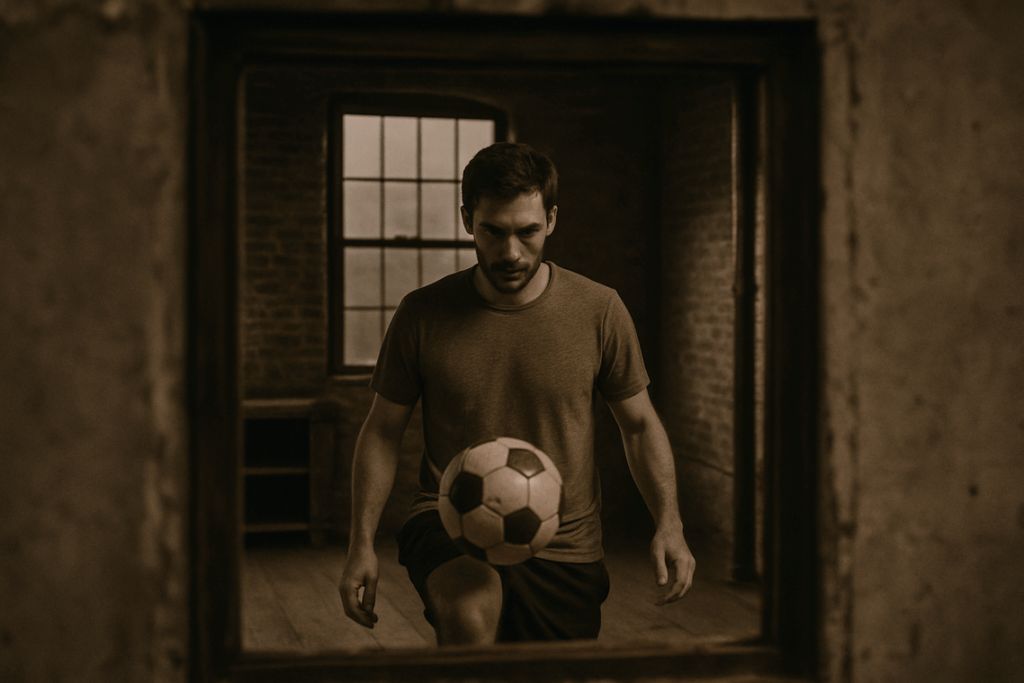
If you’ve ever wondered what separates elite competitors from casual players, it often comes down to a structured, disciplined esports athlete daily routine. Competitive gaming isn’t just about raw talent—it’s about consistency, preparation, and optimizing both performance and recovery. This article breaks down exactly how top players organize their day, from mechanical skill drills and strategy reviews to physical fitness, mental conditioning, and proper rest.
Many aspiring players struggle with burnout, inconsistent performance, or inefficient practice habits. Here, you’ll learn how a well-designed routine maximizes in-game performance while maintaining long-term health and focus. We’ve analyzed training patterns from professional teams, coaching methodologies, and performance research to ensure the guidance is practical and results-driven.
Whether you’re aiming to go pro or simply want to level up faster, this guide will show you how to structure your day like a true competitor—and why every detail matters.
Contrary to popular belief, pro players do not just queue matches all day. Instead, their esports athlete daily routine mirrors traditional sports. Mornings start with mobility drills and cardio to sharpen reflexes and reduce injury. Next, structured scrims dominate the afternoon, followed by film review and strategy labs.
A typical breakdown:
| Time | Focus |
| 8am–10am | Physical training |
| 11am–3pm | Scrims and drills |
| 4pm–6pm | VOD analysis |
| Evening | Solo queue and review |
The Discipline Behind the Screen
Ultimately, talent opens doors, but repetition keeps them open (yes, even on losing streaks). Looking ahead, this is speculation: teams may adopt sports psychologists full-time.
The Morning Block (8 AM – 12 PM): Priming Mind and Body
If you want peak performance, treat your morning like a launch sequence—not a slow boot-up.
Physical Fitness First
Start with 20–30 minutes of movement: light cardio, dynamic stretching, and bodyweight strength work. This improves blood flow, reaction time, and posture—critical when you’ll be sitting for hours. Research shows moderate morning exercise enhances cognitive performance and focus (Harvard Health Publishing). Skip this, and you’re warming up cold (never ideal). Pro tip: prioritize mobility for wrists, shoulders, and hips to prevent repetitive strain.
Strategic Nutrition
Choose complex carbs (oats, whole grains), quality protein (eggs, Greek yogurt), and healthy fats. This stabilizes blood sugar and prevents mid-scrim crashes. Sugary cereals? Quick spike, quicker burnout. Hydrate early—studies show even mild dehydration reduces cognitive performance (Journal of Nutrition). Water first. Coffee second.
Mental Warm-Up
Before team practice, run aim trainers, micro-adjustment drills, or movement mechanics for 20–40 minutes. Think of it as syncing hardware and software. This is a non-negotiable step in any serious esports athlete daily routine.
Review and Goal Setting
Spend 15–20 minutes reviewing yesterday’s VODs. Identify one mechanical fix and one decision-making improvement. Set specific, measurable goals for the block ahead. Clear targets beat vague intentions—every time.
The Core Practice Block (12 PM – 5 PM): Team Scrims and Analysis
From 12 PM to 5 PM, everything gets serious. This is the core of the esports athlete daily routine, where preparation turns into pressure.
First come the scrims (short for scrimmages, meaning structured practice matches against other professional teams). Typically, a block runs 2–3 hours, with back-to-back games designed to simulate tournament conditions. At first, we treated scrims like ranked matches—play hard, move on, queue again. That was a mistake. Without structure, we repeated the same bad habits. Now, each block has clear goals: test a composition, refine early rotations, or sharpen late-game shot-calling.
However, none of that works without reliable hardware. A high-performance gaming rig—optimized for low latency (minimal delay between input and on-screen action) and free of CPU or GPU bottlenecks—is non-negotiable. We once lost an entire scrim set because of micro-stutters during team fights. It wasn’t “just lag.” It was lost data, wasted prep, and tilted players (and yes, morale matters more than people admit). Lesson learned: stable performance equals stable practice.
Immediately after scrims, the team shifts into VOD review (Video on Demand analysis of recorded gameplay). Together with the coach, we pause key moments and dissect:
- Macro-strategy errors (poor rotations, objective timing)
- Communication breakdowns (overlapping calls, silence in clutch moments)
- Execution mistakes (missed abilities, mistimed engages)
At first, reviews felt like blame sessions. Over time, we reframed them as data sessions. That mindset shift changed everything.
Finally, we drill weaknesses. If our mid-game collapses under pressure, we recreate that exact scenario in custom lobbies and run it repeatedly. It’s not glamorous. It’s not highlight-reel content. But repetition builds automatic responses—like muscle memory for decision-making.
Some argue this level of structure kills creativity. In reality, structure creates freedom. Once fundamentals are automatic, innovation comes naturally. (Think less chaos, more controlled fire.)
The Solo Grind (5 PM – 8 PM): Refining Individual Mechanics
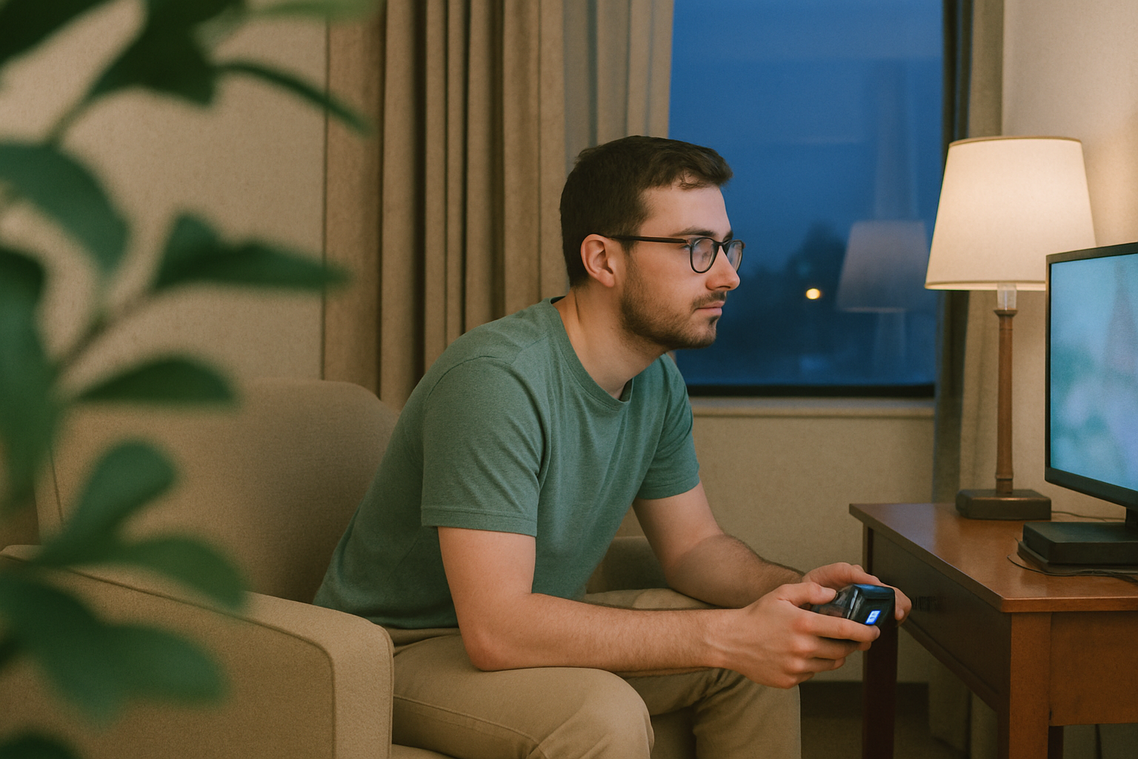
This block of the esports athlete daily routine isn’t about “just playing a few games.” It’s purposeful solo queue—structured, intentional, and often brutally honest.
Pros enter ranked matches with specific goals:
- Mastering a new champion or agent under real pressure
- Stress-testing difficult matchups
- Sharpening mechanics like last-hitting, crosshair placement, or cooldown tracking
Solo queue (a ranked online ladder system) forces adaptation. Unlike scrims, you can’t control teammates or strategies. Some argue this environment builds bad habits because coordination is inconsistent. Fair point. But the chaos also strengthens decision-making and mechanical consistency—skills that transfer directly to tournament play.
Many players stream during this window. Streaming turns practice into dual-purpose work: improvement plus community building. Engaging with chat while maintaining performance sharpens focus (think multitasking on hard mode). It also builds personal brand equity, which increasingly matters in modern esports.
Around 6:30 or 7 PM, a dinner break is critical. Refueling stabilizes energy and prevents mental fatigue before the final grind. For deeper strategies on staying sharp, review mental resilience in competitive gaming strategies from the pros.
What’s next after solo grind mastery? Review your VODs. Track micro-mistakes. Optimize your setup. Because mechanics improve fastest when feedback follows immediately (pro tip: log one key mistake per match).
The Evening Wind-Down (8 PM – 11 PM): Strategy and Recovery
First, use this window for structured reflection. In a disciplined esports athlete daily routine, late evenings are ideal for team theorycrafting—breaking down opponent VODs (video recordings of matches), refining macro strategy (big-picture decision-making), and testing fresh plays. Keep it focused and time-boxed to avoid mental fatigue.
Next, deliberately shift gears. Read, watch a comfort show, or pick up a low-stress hobby. Burnout is real—and common in high-performance gaming (yes, even for the grinders).
Finally, commit to a digital detox at least one hour before bed. Research shows reduced screen exposure improves sleep quality and cognitive recovery (Harvard Medical School). Pro tip: set a nightly alarm to log off.
Becoming elite isn’t just about sharper aim; it’s about structure. Research on deliberate practice shows that top performers improve fastest when training is scheduled, feedback-driven, and balanced with recovery (Ericsson, 1993). That’s why an esports athlete daily routine includes warm-ups, scrims, VOD review, strength training, and sleep targets. For example, League of Legends pros reportedly practice 8–10 hours with scheduled breaks to prevent burnout (BBC, 2019). Critics argue rigid schedules kill creativity. However, structured blocks actually free mental energy for strategy. Start small: add a 20-minute warm-up before ranked play, then track results. Pro tip: consistency compounds faster than motivation.
Level Up Your Grind
You came here to understand what it really takes to follow an esports athlete daily routine—and now you’ve seen the structure, discipline, and performance strategy behind the screen. From focused practice blocks and VOD reviews to strength training and mental resets, it’s clear that peak gaming isn’t random. It’s engineered.
The real pain point isn’t just losing matches. It’s feeling stuck—knowing you could perform better but not having the system, setup, or optimization to get there. Talent alone won’t carry you. Your hardware, settings, and daily structure all compound over time.
Now it’s your move.
Audit your current setup. Optimize your rig for maximum FPS and stability. Fine-tune your peripherals and in-game settings. Build a system that supports long sessions without performance drops. If you’re serious about climbing ranks and competing harder, you need gear and configurations built for competitive pressure.
We help gamers upgrade, optimize, and dominate with high-performance builds and proven optimization strategies trusted by competitive players.
Stop grinding on limits. Upgrade your setup, refine your routine, and start playing at the level you know you’re capable of.