
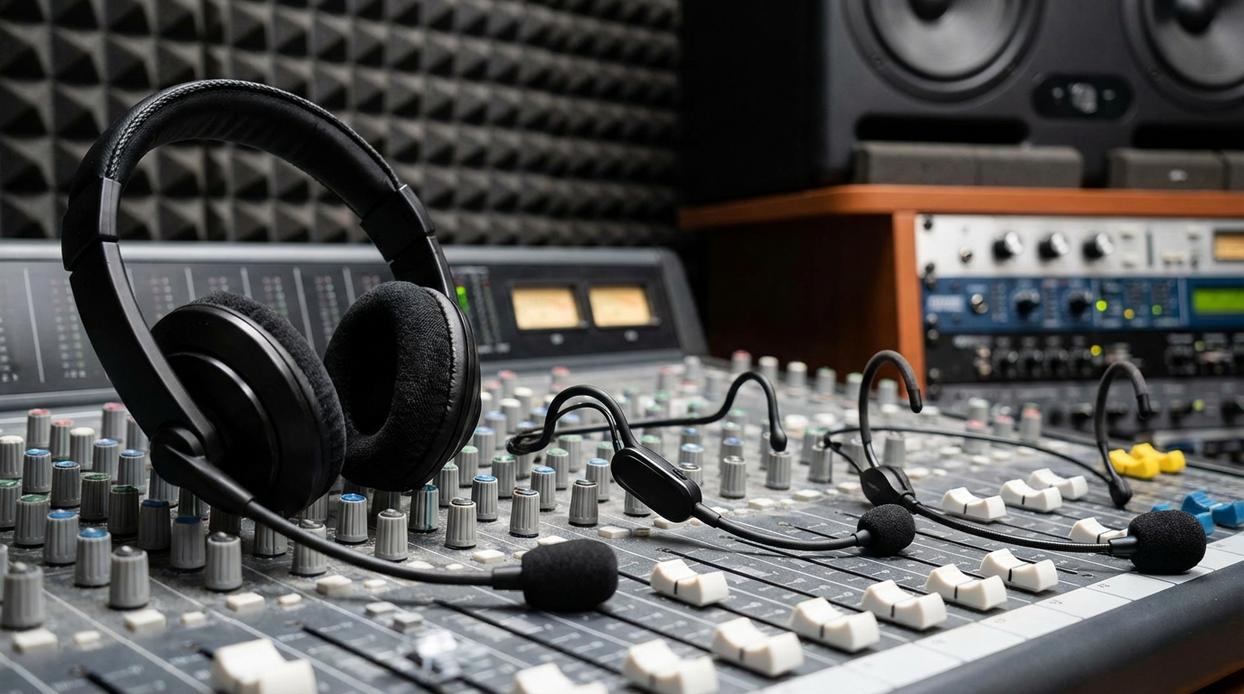
Finding the right gaming headset can feel overwhelming. With countless models promising immersive sound, crystal-clear communication, and competitive advantages, it’s hard to know which features actually matter. If you’re here, you’re likely looking for clear, practical guidance that cuts through the noise and helps you choose a headset that fits your setup, playstyle, and budget.
This gaming headset selection guide is designed to do exactly that. We break down the essential factors—sound quality, microphone performance, comfort, build durability, wired vs. wireless options, and platform compatibility—so you can make a confident, informed decision. Whether you’re building a competitive rig, upgrading your current setup, or just starting out, this guide focuses on what truly impacts in-game performance and long-session comfort.
Our recommendations are grounded in hands-on testing, performance benchmarks, and real-world gaming scenarios, ensuring you get advice you can trust—not marketing hype.
Choosing a gaming headset shouldn’t feel like decoding alien tech specs. Yet here we are. Frequency response (the range of low to high sounds a headset can produce) and impedance (how much power it needs) get tossed around like boss-level jargon. Meanwhile, you just want to hear footsteps before you become one.
Some gamers argue any cheap headset works. Sure—if you enjoy surprise attacks. Quality audio improves reaction time and spatial awareness (sound positioning in 3D space) (and yes, that clutch moment matters).
So, use this gaming headset selection guide to match features, platform compatibility, and budget—without buyer’s remorse ringing.
Wired vs. Wireless: The Latency and Liberty Trade-Off
I still remember losing a ranked match because of a split-second audio delay. My opponent’s footsteps registered just a hair too late—and in competitive play, that’s game over (yes, I blamed my headset first). That experience pushed me deep into the wired vs. wireless debate.
Audio Fidelity & Latency
Wired headsets transmit audio as an analog or direct digital signal with virtually zero latency (latency meaning delay between sound generation and what you hear). That’s why esports pros overwhelmingly stick to cables. No compression, no interference—just pure, real-time sound.
The Freedom of Wireless
Wireless, though, feels liberating. No cables snagging your controller during a living room session. Modern 2.4GHz dongles use dedicated radio frequencies for low-latency audio, making them ideal for gaming. Standard Bluetooth, while convenient, uses higher compression and latency—better for music or casual play.
Battery and Charging
Wireless adds practical trade-offs:
- Battery life (typically 15–30 hours)
- Charging downtime
- Long-term battery degradation
Pro tip: Choose models that allow play-while-charging.
The Verdict
For peak performance or budget builds, go wired. For high-quality convenience, modern 2.4GHz wireless wins. If you’re unsure, consult a gaming headset selection guide before committing.
Decoding Sound: What Separates Good from Great
Drivers and Soundstage
Audio drivers are the tiny speakers inside your headset that convert electrical signals into sound. Larger drivers (often 40mm–50mm) can move more air, which typically improves bass depth and overall clarity. However, size alone isn’t everything—driver tuning matters just as much (bigger isn’t automatically better).
Soundstage refers to how wide and spatial the audio feels—like whether footsteps sound two feet away or across the map. Research in spatial audio perception shows that wider soundstages improve directional accuracy, especially in FPS titles where positional cues determine reaction time (Begault, 3D Sound for Virtual Reality).
Open-Back vs. Closed-Back Designs
- Closed-back headsets isolate noise, making them ideal for loud rooms. Studies on passive noise isolation show sealed designs reduce ambient interference, helping focus.
- Open-back models allow air and sound to pass through, creating a more natural, wider soundstage—but they leak audio (your squad will hear your chaos).
The Surround Sound Myth
“True” surround uses multiple drivers per earcup. Virtual surround (7.1, Dolby Atmos, DTS Headphone:X) digitally simulates positioning. However, competitive gaming tests often show high-quality stereo imaging delivers more precise directional cues than poorly implemented virtual surround (RTINGS headset benchmarks). In many cases, stereo done right wins.
Frequency Response
A balanced frequency response ensures:
- Crisp highs for footsteps
- Clear mids for dialogue
- Controlled lows for explosions
If bass overwhelms mids, you lose detail. For deeper hardware insight, review essential gaming pc components every player should understand alongside this gaming headset selection guide. Pro tip: Look for neutral tuning over exaggerated “gaming bass.”
Crystal-Clear Comms: A Guide to Headset Microphones

The right mic setup doesn’t just change how you sound—it changes how you win. In any solid gaming headset selection guide, microphone type and placement matter more than most players realize.
Mic Types and Placement
- Detachable mics offer flexibility—remove them for solo play or streaming setups.
- Retractable mics slide away neatly (great for players who hate desk clutter).
- Flip-to-mute mics let you silence instantly—no fumbling mid-callout.
Each option gives you control, convenience, and fewer distractions during clutch moments.
Key Features to Look For
Noise cancellation filters keyboard clicks and background chatter, so teammates hear you, not your mechanical switches. A physical mute button adds instant privacy and prevents accidental oversharing.
What Is “Good Enough?”
For gaming, clarity beats broadcast polish. If your squad can understand you without static or distortion, you’re set. That reliability builds trust—and better teamwork wins games.
Built for a Marathon: The Importance of Comfort and Durability
When you’re logging five-hour sessions (or grinding ranked until 2 a.m.), comfort isn’t optional—it’s performance gear. First, consider materials. Leatherette earcups offer strong isolation, meaning they block outside noise effectively, but they can trap heat over time. Velour, a soft fabric material, is more breathable and ideal for long sessions, though it may leak a bit of sound. Hybrid fabrics try to balance both. If you run hot, choose velour. If you play in noisy spaces, go leatherette.
Next, look at the frame. Metal headbands (steel or aluminum) generally outlast plastic and resist stress fractures. Plastic is lighter, yes—but often less durable after repeated adjustments. In the long run, metal wins.
Now, let’s talk ergonomics. Clamping force (how tightly the headset grips your head) should feel secure without causing pressure points. Aim for moderate weight and adjustable sliders to fine-tune fit.
For wired models, braided, detachable cables reduce fraying and are easy to replace. On-earcup controls for volume and mute are more convenient than inline switches (especially mid-match).
Some argue build quality is overrated. But replacing a cheap headset yearly costs more than investing once. Use a gaming headset selection guide to compare specs carefully. Pro tip: prioritize durability over flashy RGB.
Making Your Final Choice with Confidence
You’re now equipped with the core knowledge to evaluate any gaming headset on the market. The real danger? Overspending on FLASHY RGB strips and “7.1” labels that look cool but don’t change how footsteps actually sound creeping behind you.
Some argue premium extras equal better performance. Sometimes, sure. But crisp positional audio, plush ear cushions that don’t pinch after two hours, and a mic that captures your voice without static hiss matter more.
Focus on:
- Sound quality (clear highs, punchy bass)
- Comfort (no skull squeeze)
- Microphone clarity (no robotic echo)
Use this gaming headset selection guide, define your playstyle, set a budget, and choose your perfect audio weapon.
Level Up Your Audio Advantage
You came here to find clarity in the crowded world of gaming audio—and now you have it. From understanding sound staging and mic clarity to balancing comfort with performance, you’re equipped to make a confident, informed choice using this gaming headset selection guide.
Poor audio can cost you more than immersion—it can cost you matches. Missed footsteps, unclear comms, and uncomfortable headsets all chip away at your edge. The right headset eliminates distractions, sharpens awareness, and keeps you locked in for long sessions without fatigue.
Now it’s time to act. Don’t settle for average sound when precision matters. Explore high-performance gaming headsets built for competitive clarity and optimized performance. Upgrade to a setup trusted by serious players who demand every advantage.
Your next win could come down to what you hear—choose smarter, play sharper, and make your move today.
 Stephanie Martinezenic writes the kind of optimization tips for gamers content that people actually send to each other. Not because it's flashy or controversial, but because it's the sort of thing where you read it and immediately think of three people who need to see it. Stephanie has a talent for identifying the questions that a lot of people have but haven't quite figured out how to articulate yet — and then answering them properly.
They covers a lot of ground: Optimization Tips for Gamers, Pbox Competitive Gaming Rigs, Performance Boosting Builds, and plenty of adjacent territory that doesn't always get treated with the same seriousness. The consistency across all of it is a certain kind of respect for the reader. Stephanie doesn't assume people are stupid, and they doesn't assume they know everything either. They writes for someone who is genuinely trying to figure something out — because that's usually who's actually reading. That assumption shapes everything from how they structures an explanation to how much background they includes before getting to the point.
Beyond the practical stuff, there's something in Stephanie's writing that reflects a real investment in the subject — not performed enthusiasm, but the kind of sustained interest that produces insight over time. They has been paying attention to optimization tips for gamers long enough that they notices things a more casual observer would miss. That depth shows up in the work in ways that are hard to fake.
Stephanie Martinezenic writes the kind of optimization tips for gamers content that people actually send to each other. Not because it's flashy or controversial, but because it's the sort of thing where you read it and immediately think of three people who need to see it. Stephanie has a talent for identifying the questions that a lot of people have but haven't quite figured out how to articulate yet — and then answering them properly.
They covers a lot of ground: Optimization Tips for Gamers, Pbox Competitive Gaming Rigs, Performance Boosting Builds, and plenty of adjacent territory that doesn't always get treated with the same seriousness. The consistency across all of it is a certain kind of respect for the reader. Stephanie doesn't assume people are stupid, and they doesn't assume they know everything either. They writes for someone who is genuinely trying to figure something out — because that's usually who's actually reading. That assumption shapes everything from how they structures an explanation to how much background they includes before getting to the point.
Beyond the practical stuff, there's something in Stephanie's writing that reflects a real investment in the subject — not performed enthusiasm, but the kind of sustained interest that produces insight over time. They has been paying attention to optimization tips for gamers long enough that they notices things a more casual observer would miss. That depth shows up in the work in ways that are hard to fake.