

Stuck on PC while your friends squad up on PlayStation or Xbox? You’re not alone—and you’re not out of options. cross-platform multiplayer gaming is breaking down the hardware barriers that once kept players apart, making it easier than ever to connect, compete, and collaborate across devices. In this guide, we’ll break down how cross-platform play actually works, which games support it, and what you need to get started. Based on extensive hands-on testing across major platforms, this article delivers clear, practical insights so you can jump into connected gaming with confidence and zero guesswork.
Understanding Crossplay: How Gaming Worlds Connect
As cross-platform play breaks down barriers between gamers, it not only enhances competition but also opens up new strategies and community-building opportunities, making it essential to check out our article on ‘Thegamearchives Tips And Tricks Tgarchiveconsole‘ to stay ahead in this evolving landscape.
Crossplay (also called cross-platform play) is the technology that lets gamers on PC, Xbox, PlayStation, and Switch join the same online matches. In simple terms, your hardware no longer limits who you can play with. If your friend owns a console and you’re on PC, you can still squad up—provided the game supports cross-platform multiplayer gaming.
Let’s break down three related terms people often confuse:
- Cross-Play: Play with others on different platforms in the same match.
- Cross-Progression: Your saves, skins, ranks, and unlocks transfer across systems when you log in.
- Cross-Generation: PS4 players competing with PS5 players (same brand, different generation).
Some gamers argue crossplay creates unfair advantages—like mouse-and-keyboard users outperforming controller players. That can happen (studies show input method affects precision in FPS titles, per IEEE research on input latency). But many games now balance this with aim assist tuning or input-based matchmaking.
Practical tips before you enable crossplay:
- Check matchmaking settings and toggle input-based lobbies if available.
- Link your game account (Epic, Activision, etc.) to enable cross-progression.
- Adjust sensitivity settings when switching platforms.
Pro tip: Test a few casual matches first to fine-tune performance settings before jumping into ranked (your stats will thank you).
The Unified Playground: Benefits and Drawbacks
Let’s start with the obvious win: bigger player pools. When everyone shares the same matchmaking ecosystem, wait times shrink and obscure modes stay alive. I’ve seen older shooters feel reborn overnight once cross-platform multiplayer gaming was enabled. (Nothing kills hype faster than a five‑minute queue.) According to industry reporting from Newzoo, active player base size strongly correlates with retention rates in online titles, which explains why publishers push for unified servers.
Then there’s the social factor. Playing with friends on different hardware is the real game-changer. Console, PC, handheld—it stops mattering. In my opinion, this alone justifies the system. Gaming has always been social, and locking friends out because of hardware feels outdated (like arguing over Blu-ray vs. HD DVD again).
Another upside: longevity. Larger communities keep matchmaking healthy years after launch. Titles like Fortnite and Call of Duty have shown how shared ecosystems sustain engagement across generations of hardware.
But let’s not pretend it’s perfect.
Competitive imbalance is the elephant in the room. Mouse-and-keyboard players typically have faster aim precision than controller users, a difference supported by input latency and accuracy studies (Nielsen Norman Group research on input efficiency highlights measurable speed advantages). Aim assist helps, but debates rage on.
There are also patch timing issues. Different certification processes on consoles can delay updates, causing version mismatches. It’s temporary—but frustrating.
And voice chat? Inconsistent at best. Many players default to Discord because native solutions sometimes falter.
Personally, the benefits outweigh the flaws—but only when developers actively fine-tune fairness. Otherwise, the “unified playground” starts feeling uneven.
Essential Cross-Platform Games You Can Play Today
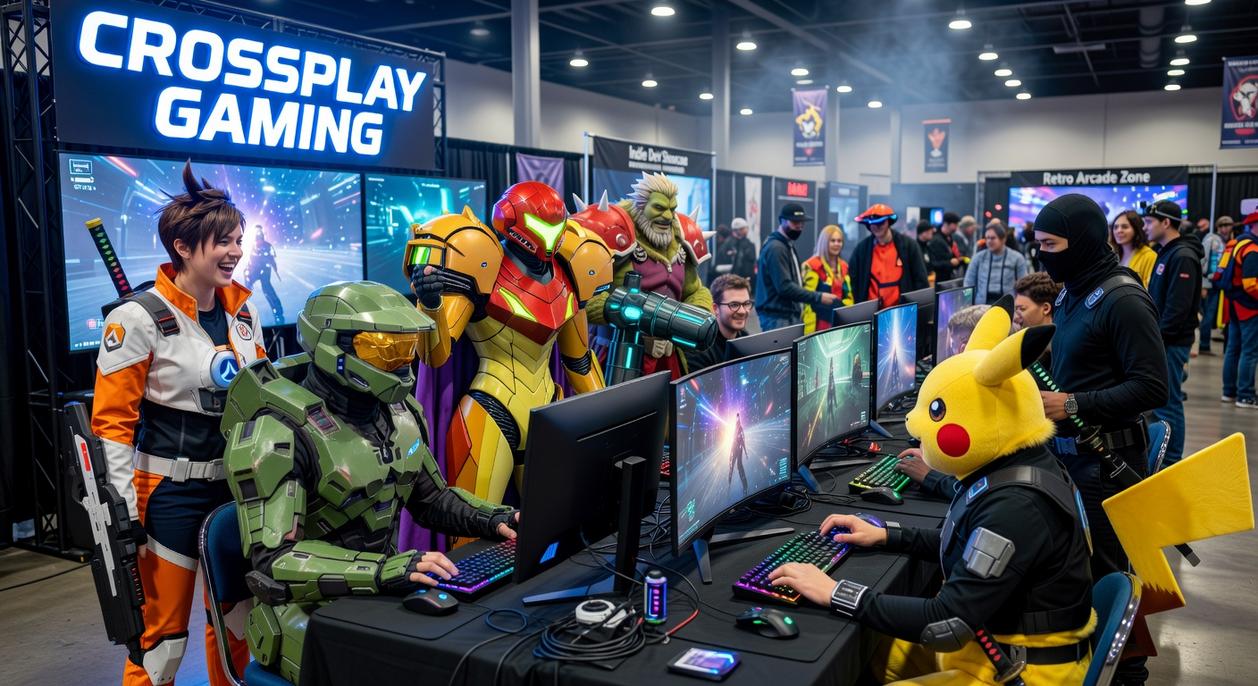
Looking for cross-platform multiplayer gaming that actually works across ecosystems? Here’s a side-by-side breakdown so you can quickly see what connects where—and which title fits your squad best.
-
Fortnite (Battle Royale)
Platforms connected: PlayStation, Xbox, Nintendo Switch, PC, and mobile (cloud-supported).
Fortnite vs. Warzone? Fortnite leans arcade and creative; Warzone aims for realism. Both unify console and PC pools seamlessly (Epic Games support documentation). -
Apex Legends (Battle Royale)
Platforms connected: PlayStation, Xbox, Nintendo Switch, PC.
Faster movement than Warzone, hero abilities like Overwatch 2. Console-PC matchmaking is optional. -
Call of Duty: Warzone (Battle Royale)
Platforms connected: PlayStation, Xbox, PC.
Strong aim-assist debates aside (yes, it’s a thing), it fully integrates progression via Activision accounts. -
Overwatch 2 (Shooter)
Platforms connected: PlayStation, Xbox, Switch, PC.
Casual modes mix inputs; competitive separates by rank pools (Blizzard support). -
Halo Infinite (Shooter)
Platforms connected: Xbox, PC.
Cleaner ecosystem, tighter integration—great for Game Pass players. -
Destiny 2 (Shooter/MMO Hybrid)
Platforms connected: PlayStation, Xbox, PC.
PvE is fully shared; PvP uses input-based matchmaking in competitive modes (Bungie updates). -
Minecraft: Bedrock Edition (Creative/Co-op)
Platforms connected: Console, PC, mobile.
Bedrock vs. Java? Bedrock wins for crossplay. -
Rocket League (Creative/Sports)
Platforms connected: PlayStation, Xbox, Switch, PC.
Simple concept, massive skill ceiling (soccer with cars—what’s not to love?). -
Among Us (Party/Co-op)
Platforms connected: Console, PC, mobile.
Lightweight, easy cross-device lobbies. -
Street Fighter 6 (Fighting)
Platforms connected: PlayStation, Xbox, PC.
Rollback netcode keeps matches smooth across systems. -
Mortal Kombat 1 (Fighting)
Platforms connected: PlayStation, Xbox, PC (feature parity varies by update).
Actionable Tip: To disable crossplay, check Settings > Account > Online/Matchmaking (wording varies). It’s usually a simple toggle.
For broader context on industry shifts, see the rise of cloud gaming opportunities and challenges explained.
The Future of Gaming is Connected
I still remember lugging my console to a friend’s house because our systems couldn’t connect online (yes, cables everywhere). Today, cross-platform multiplayer gaming is quickly shifting from a “nice bonus” to an expected standard. According to Newzoo, over 70% of multiplayer gamers prefer playing with friends regardless of platform.
Some argue exclusivity drives hardware sales. Fair point. But powerful engines like Unreal and platform-agnostic accounts (think Epic or Activision IDs) make shared ecosystems easier than ever.
| Trend | What’s Next |
|---|---|
| Crossplay | Standard feature |
| Cross-progression | Seamless saves |
| Cross-purchases | Buy once, play anywhere |
The future feels less walled garden, more open world.
Building Your Cross-Platform Gaming Strategy
You set out to figure out how to bridge the gap between platforms so you can play with anyone, anywhere—and now you know it’s completely possible. cross-platform multiplayer gaming has changed the rules, making it easier than ever to connect beyond a single console or PC ecosystem.
No more being locked into one piece of hardware while your friends play somewhere else. That frustration is fading fast.
Before your next game purchase, check for crossplay and cross-progression support. Make it a habit. Build a library that keeps your entire squad connected.
Don’t let platform limits hold you back—upgrade your strategy, choose smarter, and start gaming without boundaries today.
 how they got into performance boosting builds and you'll probably get a longer answer than you expected. The short version: Helen started doing it, got genuinely hooked, and at some point realized they had accumulated enough hard-won knowledge that it would be a waste not to share it. So they started writing.
What makes Helen worth reading is that they skips the obvious stuff. Nobody needs another surface-level take on Performance Boosting Builds, Gaming Pulse, Pro Perspectives. What readers actually want is the nuance — the part that only becomes clear after you've made a few mistakes and figured out why. That's the territory Helen operates in. The writing is direct, occasionally blunt, and always built around what's actually true rather than what sounds good in an article. They has little patience for filler, which means they's pieces tend to be denser with real information than the average post on the same subject.
Helen doesn't write to impress anyone. They writes because they has things to say that they genuinely thinks people should hear. That motivation — basic as it sounds — produces something noticeably different from content written for clicks or word count. Readers pick up on it. The comments on Helen's work tend to reflect that.
how they got into performance boosting builds and you'll probably get a longer answer than you expected. The short version: Helen started doing it, got genuinely hooked, and at some point realized they had accumulated enough hard-won knowledge that it would be a waste not to share it. So they started writing.
What makes Helen worth reading is that they skips the obvious stuff. Nobody needs another surface-level take on Performance Boosting Builds, Gaming Pulse, Pro Perspectives. What readers actually want is the nuance — the part that only becomes clear after you've made a few mistakes and figured out why. That's the territory Helen operates in. The writing is direct, occasionally blunt, and always built around what's actually true rather than what sounds good in an article. They has little patience for filler, which means they's pieces tend to be denser with real information than the average post on the same subject.
Helen doesn't write to impress anyone. They writes because they has things to say that they genuinely thinks people should hear. That motivation — basic as it sounds — produces something noticeably different from content written for clicks or word count. Readers pick up on it. The comments on Helen's work tend to reflect that.