
If you’re looking to gain a competitive edge in esports, mastering esports team communication strategies is no longer optional—it’s essential. Whether you’re grinding ranked matches or competing in organized tournaments, clear, efficient communication often determines the difference between a clutch win and a frustrating loss.
This article is designed to break down the core principles behind high-performing team communication, from callout structures and role clarity to mid-game adaptations and post-match reviews. We focus on practical, in-game applications that teams can implement immediately to improve coordination, reduce mistakes, and execute strategies with precision.
Our insights are built on competitive gameplay analysis, performance optimization research, and proven team-based frameworks used across top-tier competitive environments. You’ll learn how to streamline shot-calling, eliminate comms clutter, and build trust within your roster—so every player knows exactly what to say, when to say it, and how to respond under pressure.
Last season, my squad had unreal aim, yet we kept throwing leads because comms were chaos. In one qualifier, three of us called different targets, and we lost a fight we should have steamrolled. That sting forced us to study esports team communication strategies and build structure. First, we assigned a single shot-caller; next, we created concise callout vocab; finally, we ran post-game comms reviews. As a result, decisions became faster, tilts shorter, and clutch rates climbed. Some argue mechanics matter more, but clarity turns talent into trophies. If you want higher win rates, start with disciplined, repeatable communication systems.
Building Your Team’s Communication Foundation: The Three Pillars
If your team’s comms sound like five people arguing in a group chat, you don’t have a skill issue—you have a FOUNDATION issue.
Pillar 1: Standardizing Your Language — The “Callout” Bible
A “callout” is a pre-agreed term for a map location, ability, or status. When everyone uses the same words, hesitation disappears. In Valorant, for example, “Heaven” and “Rafters” can mean different vertical positions. If one player says “Heaven” but means “Rafters,” that half-second of confusion can cost the round.
Some argue creativity in comms is fine—“we know what he means.” I disagree. Under pressure, the brain defaults to instinct, not interpretation (cognitive load theory supports this; Sweller, 1988). Standardization reduces mental strain. PRO TIP: Write your team’s callouts down and review them like a playbook.
Pillar 2: Defining Roles — The IGL and the Information Funnel
The In-Game Leader (IGL) is the primary shot-caller. Without one, you get conflicting commands—like five GPS systems shouting directions.
Others gather intel: enemy positions, cooldowns, damage dealt. They feed concise data upward. This mirrors esports team communication strategies used at the highest levels. Information flows in. Decisions flow out.
You might think shared leadership sounds more democratic. In ranked? Maybe. In competition? Chaos.
Pillar 3: Differentiating Comms — Micro vs. Macro
Micro is immediate: “Enemy low HP.” “Using ultimate.”
Macro is strategic: “Rotate B.” “Play for picks.”
During fights, MACRO STOPS. MICRO ONLY.
Clean comms win games (and yes, it’s that simple). If you want sharper performance insights, start here: https://pboxcomputers.com
Advanced Protocols for High-Pressure Engagements
High-pressure moments don’t just test mechanics—they expose communication flaws. That’s where The Three C’s Framework: Clear, Concise, and Calm becomes non-negotiable.
Clear means no slang, no vague callouts. Instead of “He’s over there,” say “Sniper top balcony, north side.” Clarity removes interpretation errors (and yes, those half-second hesitations lose rounds).
Concise strips filler. Every extra word competes with critical audio cues. Compare “I think there might be two pushing left maybe” with “Two pushing left.” Same meaning. Less noise.
Calm regulates tone. When voices spike, panic spreads. Sports psychology research shows emotional contagion directly affects team performance (Hatfield, Cacioppo & Rapson, 1993). If one player tilts, others follow. Controlled tone equals controlled execution.
Next, prioritize information ruthlessly. Not all data is equal. The enemy sniper’s location outweighs minor chip damage. Train players to ask: Does this change our immediate decision? If not, it waits.
Then implement single-word commands. “Reset!” signals full disengagement. “Commit!” means all-in—no hesitation. This prevents staggered deaths and mirrors traditional esports team communication strategies used by championship rosters.
Equally important, communicate cooldowns proactively. “Flash in five.” “Ultimate in ten.” This creates a shared mental timeline and sets up coordinated plays instead of chaotic scrambles.
Pro tip: run scrims where players are penalized for unclear or late callouts. Pressure training builds discipline.
Some argue strict protocols feel robotic. Fair. But structure creates freedom. When communication is automatic, focus shifts back to aim, positioning, and strategy—exactly where it belongs.
Post-Game Analysis: Turning Communication Failures into Wins
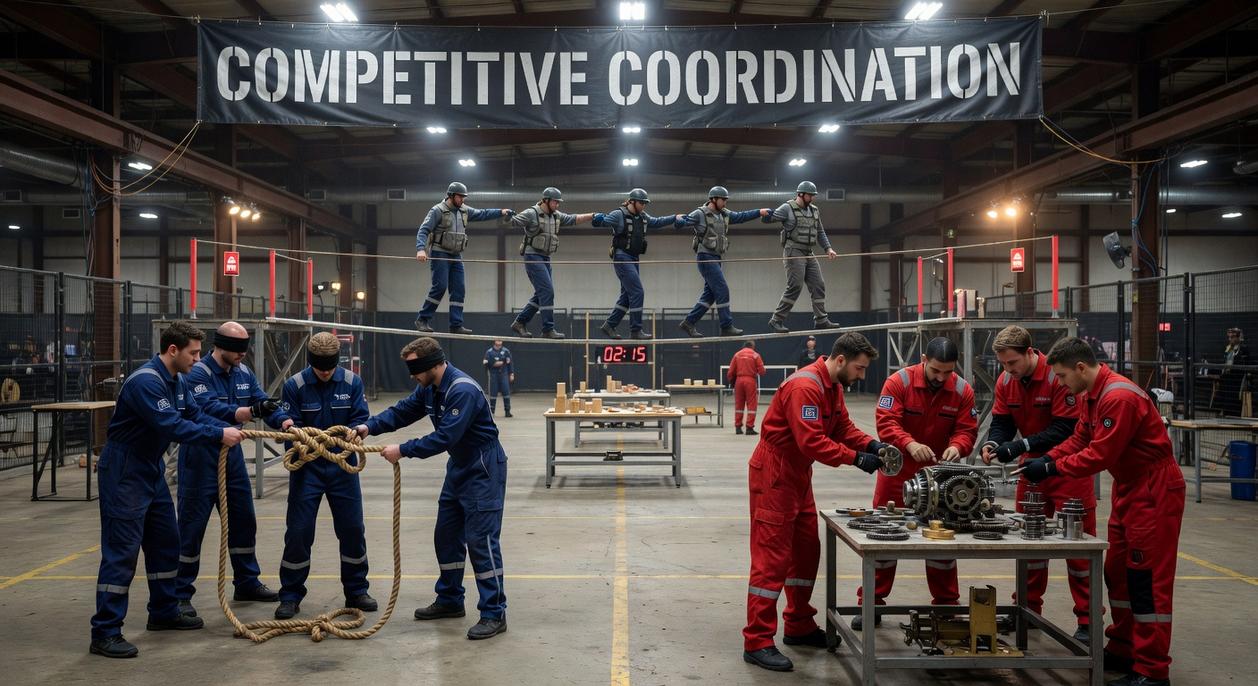
Great mechanics win fights. Great communication wins championships. But communication can feel abstract—so let’s break it down.
VOD Review for Comms
A VOD review (Video on Demand replay analysis) isn’t just for aim or positioning. It’s a chance to actively listen. Pause at key moments and ask: Was there silence? Were two players making conflicting calls? Did someone share critical info too late?
For example, if your tank says “push” while your support calls “reset,” that’s a conflicting call—mixed instructions that split the team. Instead of blaming the loss on mechanics, rewind and identify the exact second clarity broke down. That’s how elite squads approach analyzing pro gameplay what sets elite players apart (https://pboxcomputers.com.co/analyzing-pro-gameplay-what-sets-elite-players-apart/).
Creating a Communication Playbook
A communication playbook is a documented system of standard callouts, default strategies (your team’s go-to opening plan), and ultimate combo plans. Think of it as shared shorthand—like calling “grav-dragon” instead of explaining the combo mid-fight. This is the backbone of esports team communication strategies.
Establishing Constructive Feedback Loops
After the match, focus on the “what” and “why” of a call, not the “who.” Instead of “You threw,” try “What information did we have before that push?” Clarity builds trust. And trust builds wins.
Optimizing Your Gear and Software for Flawless Audio
The Hardware Advantage
A quality headset with a noise-canceling microphone isn’t optional—it’s foundational. Noise-canceling means the mic filters out background sounds (keyboard clacks, fans, that one loud roommate), so only your voice cuts through. Cheaper mics flatten tone and introduce static, costing precious seconds in competitive play. Many rivals talk specs; few explain that cardioid pickup patterns reduce off-axis noise—critical in shared setups.
Software Configuration Is Key
Discord, TeamSpeak, and in-game chat all require tuning. Push-to-talk prevents open-mic chaos, while voice activation demands precise noise gate settings (a noise gate mutes input below a set volume). Balance input sensitivity so you’re clear—not clipping. Use esports team communication strategies in the section once exactly as it is given.
Minimizing Audio Latency
Audio latency (delay between speaking and hearing) disrupts timing. Stable wired internet beats Wi-Fi for consistent packet delivery (yes, even in 2026).
Talent is overrated. Structure wins.
Effective communication isn’t magic; it’s a trainable skill built through discipline, repetition, and clear systems. I’ve seen mechanically weaker squads dominate simply because their comms were tight. THAT’S NOT LUCK.
If you’re tired of losing to sloppier teams, implement deliberate protocols drawn from esports team communication strategies. Start small: standardize callouts in your next practice. One shared language can instantly sharpen rotations, timing, and trust. Do it this week. Seriously.
Level Up Your Competitive Edge Today
You came here to sharpen your competitive edge and understand what truly drives consistent wins in modern gaming. Now you have a clearer picture of how optimized hardware, smart setups, and esports team communication strategies work together to elevate performance.
Lag, miscommunication, and underpowered systems are more than minor frustrations—they cost you matches, rankings, and momentum. In competitive gaming, every millisecond and every callout matters. When your build is tuned for peak performance and your team communication is structured and intentional, you remove the barriers holding you back.
The next step is simple: upgrade your setup, refine your optimization process, and implement structured communication habits in every session. Don’t settle for average performance when you can compete at your full potential.
If you’re serious about smoother gameplay, higher FPS, and a real competitive advantage, explore our performance-boosting builds and expert optimization guides today. Join thousands of gamers who trust our proven gaming solutions to eliminate lag and dominate the leaderboard. Your next win starts with the right setup—take action now.