
Self Awareness Tracker
Meet the Self Awareness Tracker: Gaming Mindset Meets Personal Insight
The Self Awareness Tracker by Pbox Computers invites gamers to explore a less-charted terrain—your own mental playbook. This tool isn’t about kill stats or cooling systems. It’s about you: how your mindset shifts between rounds, how fatigue affects decision-making, and what habits sharpen or dull your edge. Developed to bridge performance optimization with the psychology of high-stakes play, this tracker opens a quiet, invaluable dimension of competitive readiness.
Pbox Computers has long been recognized for its core gaming essentials and hardware-driven insights—but the pulse of every rig is the person behind the keyboard. The Self Awareness Tracker is a small, private portal to notice, measure, and gradually evolve your mental game one checkpoint at a time.
If you’re drawn to the idea that your system can be both instinctual and intelligent—shaped by need, not trend—you’re already among Selrith’s tribe. Connect with him directly at [email protected] or explore the evolving philosophy of Pbox through our ongoing reflections at the Who We Are section.
A PC, if properly constructed, should leave you with one question—not how fast, but how far.
What You Can Do With This Tool
Identify performance-destructive patterns
recurring frustrations, altered sleep cycles, or high-pressure reactions.
Track emotion-sync play windows
learn what time of day or energy state aligns with your best win/loss ratios.
Log triggers and turnarounds
document what throws off your tempo and what recenters your focus mid-match.
Reflect with after-action prompts
build a habit of decompression that supports learning, not just reacting.
Measure non-technical progress
growth in patience, shift in communication, increased session awareness.
Set and revisit small mindset goals
form intentions around composure, presence, or dealing with tilt.
Gamers in Jeptha, Kentucky and beyond often operate in varying time zones, latency conditions, and personal contexts. This tool takes those differences into account, offering a framework adaptable to any region, rig, or schedule.
How It Works: A Seven-Step Reflection Engine
- Set Your Session Intention – Start by choosing a light prompt like “focus on communication” or “test a calm entry strat.” Optional but recommended.
- Pre-Match Check-In – Rate your emotional state (nervous, calm, tired, sharp) and log hours slept, recent food intake, or notable stressors.
- Log Your Environment – Quick drop-downs record ambient distractions, hardware setup, and time of day.
- In-Session Notes – You can pop open quick tags mid-session or voice-to-text brief notes when pausing.
- Post-Match Prompt – Choose from a preset or customizable prompt: “What distracted me?”; “When did I feel flow?”
- Insight Summary – The tracker generates a brief reflect-back comparing your current session with prior ones, pointing out emotional/behavioral trends.
- Personal Archive – Access your historical entries, trend graphs, and set optional private tags or insights over time.
Nothing is publicly shared. All inputs remain stored locally unless you opt into cloud backup.
Inputs and Outputs at a Glance
| Inputs | Type | Examples | Required? |
|---|---|---|---|
| Emotional Check-In | Pre-session tags | Calm, anxious, sleepy, focused | Yes |
| Environmental Context | Drop-down fields | Lighting, noise, device used | Optional |
| Behavioral Notes | Text/voice | “Snapped after third loss”, “Felt resilient” | Optional |
| Session Metadata | Auto-logged | Time, duration | Yes |
| Output | Description | Export Options |
|---|---|---|
| Insight Summaries | Session-by-session feedback on emotional patterns and adaptive shifts. | PDF or private dashboard |
| Trend Graphs | Visual show of emotion patterns across multiple sessions. | Inline, optionally downloadable |
| Mindset Goals | Reminder engine that reflects on self-set goals over time. | Local browser storage |
Example 1:
Recovering Mid-Tilt
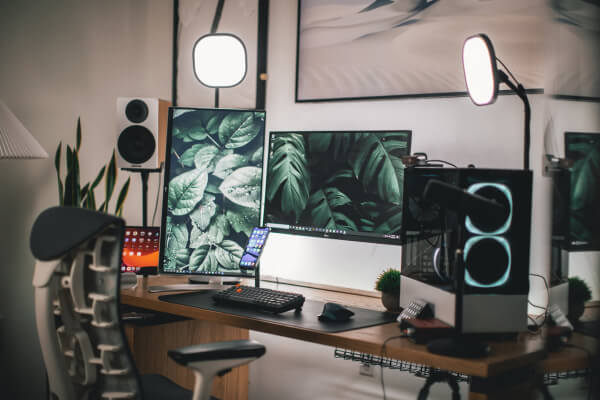
Jordan, a competitive Overwatch player from Lexington, logs in frustrated after a failed scrim. He clocks a pre-session state of “tense/fatigued.” After 45 minutes of gaming filled with abrupt comms, the tracker flagged a pattern—his frustration peaked early then stabilized after a break. Seeing the shift helped him build a personal cooldown ritual between ranked attempts.
Example 2:
Discovering Optimal Hours
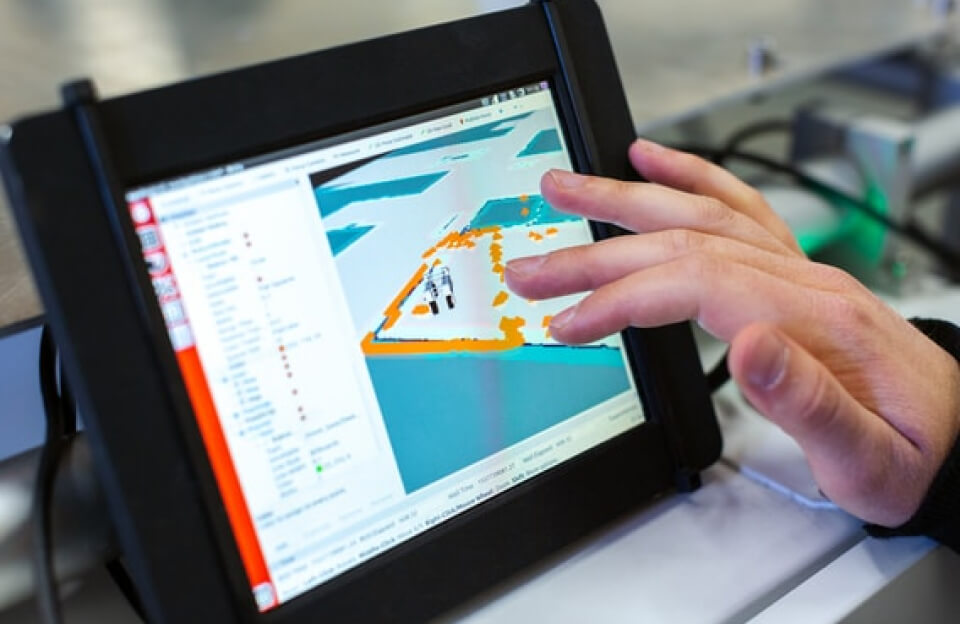
Ali, a high school student from Jeptha, logs sessions over several weeks. Tracker reports show stronger cognitive clarity and composure between 10 AM and 1 PM. She rearranges her weekend routines to match her strength windows, noticing fewer burnout episodes.

Example 3:
Spotting Team Influence
Dennis tracks his reaction patterns around different team types. He notices that solo-queue matches produce more spikes of frustration and urgency than team plays with regulars. He begins scheduling more scrims with friends and uses solo queues as casual mental training.
Tips for Best Results
- Be honest in your mental state check-ins—it’s private and your best data comes from honesty, not bravado.
- Use short-hand or emoji tags (if enabled) for quick in-game drops when typing is intrusive.
- Don’t skip the post-match prompt. Even ten seconds of reflection adds depth to pattern recognition.
- Add environmental notes if playing in a new setting—they often influence unnoticed shifts.
- Review your insights weekly rather than daily to avoid overreacting to normal fluctuations.
- Use via desktop for the best dashboard access. Tablet support is reasonable; mobile view is limited.
Limitations and Assumptions
The tool does not diagnose or treat mental health concerns. It offers reflective tools, not clinical insights. Patterns are indicative, not predictive. Regional data (e.g., play hour peaks) may not adjust dynamically to time zone shifts or travel. Also, this tracker assumes regular Internet use and optionally allows you to store data on your device or back up to your encrypted cloud drive—this is opt-in only.
Data insights are generated using Pbox Computers’ proprietary reflection logic, mixing dropdown tags and behavioral vectors. These are best viewed as suggestive—not definitive—narratives of how environment and mindset intersect.
Privacy, Data Handling, and Cookies
Your entries belong to you. By default, data are stored locally in your browser with no uploads to our server. You can choose to export data for personal use or enable a private encrypted backup with your Pbox login.
No ads, no sharing, and no third-party tracking apply. We use minimal essential cookies to keep the tool running securely and responsively. For full transparency, please read our Privacy Policy.
Accessibility and Device Support
The Self Awareness Tracker is designed with a focus on legible fonts, high-contrast default themes, and full keyboard navigability. No color-only cues are used, and screen reader mapping is actively tested.
The tool performs best on modern desktop browsers. Touch-friendly adjustments exist for tablets; mobile support is currently in beta. If offline or unsupported, users can download a printable reflection sheet from our utility archive.
Troubleshooting and FAQs
What if I forget to log pre-session?
You can still log the post-session prompt, though some insight metrics may appear greyed for that session.
Can I export my data?
Yes, downloadable files and two export formats are supported (PDF summary or spreadsheet CSV).
Is this therapy?
No. It’s a self-reflection tool to support self-regulation and pattern awareness—think mindfulness, not medicine.
Do you save my notes?
Not unless you opt in to cloud backup. All notes live in your browser by default and can be cleared anytime.
How secure is the information?
All text is stored locally under HTML5 storage; encrypted backup is optional and end-to-end.
How often should I use this?
Daily entries are helpful for habit formation, but even weekly check-ins can produce meaningful trend data.
Why do trends differ suddenly?
Life context matters—illness, urgency, or even a change in chair comfort may skew a session. Look over time, not in isolation.
Can I backup across devices?
Only if you enable cloud backup. Otherwise, each device maintains its own local store without sync.
Does this affect performance?
No. The utility runs light. However, note fatigue from long tracking sessions is a user factor, not a technical one.
Where do I get help?
Our Help and Contact page includes support options, should you need clarification or wish to offer feedback.
Related Resources
If you’re exploring game psychology, check out our Who We Are page for deep dives into our human-performance philosophy. For tutorials on applying insights practically, our Practical Skills Tutorial section is a great place to start.