
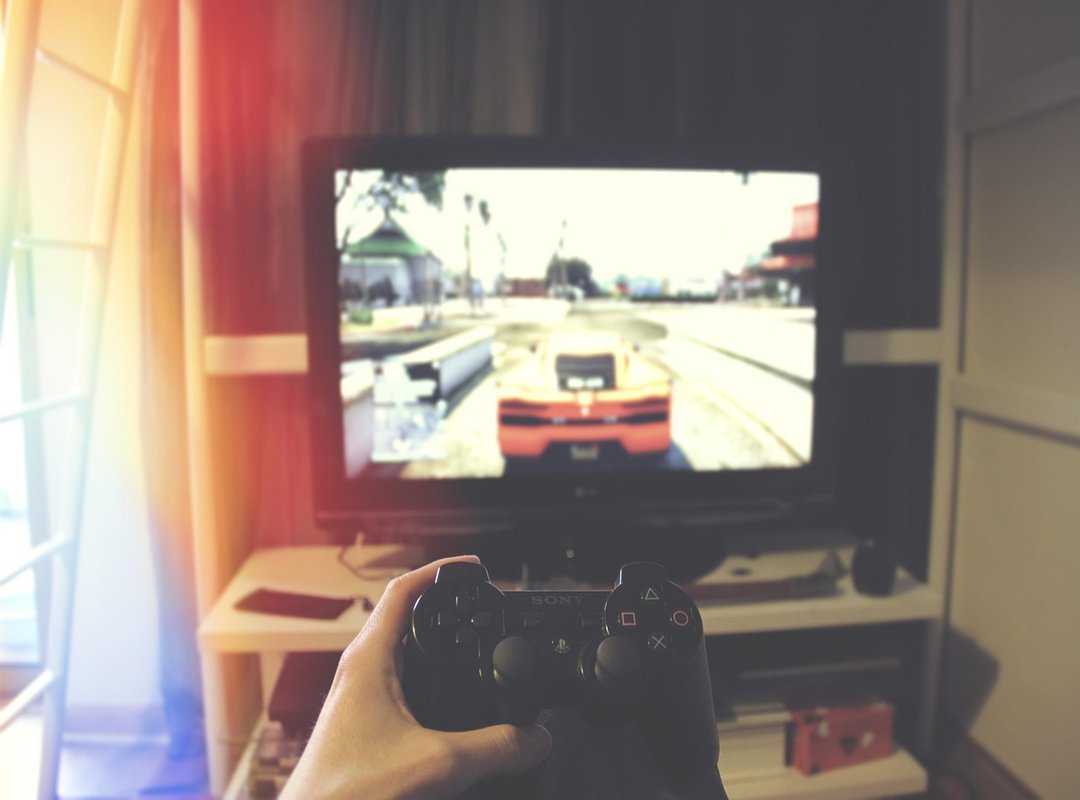
Lag can ruin everything, right? You’re in the middle of an intense match, and just as you make that key move, the screen freezes. It’s maddening.
I’ve been there, tearing my hair out, wondering why my multi-thousand dollar setup isn’t cutting it. After optimizing hundreds of top-tier gaming rigs, I’ve learned that lag isn’t just about a bad connection. It’s a system-wide headache.
But there’s hope. If you’re ready to stop blaming your ISP and take control, this guide is your answer. We’ll dig into network tweaks and uncover hidden hardware bottlenecks.
You’ll learn how to reduce latency gaming and finally enjoy smooth, responsive gameplay. Trust me, I’ve been through the trenches. This guide will arm you with the know-how to beat lag for good.
First-Aid for Lag: Quick Software and In-Game Fixes
Lag. It’s the bane of every gamer’s existence. But the simplest fixes start with software tweaks.
Let’s dig in.
First, tackle the obvious. Open Task Manager (Ctrl+Shift+Esc). You’ll spot resource-hogging apps (those sneaky background tasks).
Think cloud sync services like OneDrive or Dropbox, and those countless browser tabs you forgot about. Close them. Seriously, do it now.
Next, Windows Game Mode. Ever heard of it? It prioritizes game processes.
Make sure it’s on (just search “Game Mode” in settings). It’s a little-known gem that can actually help reduce latency gaming issues.
Now, onto in-game settings. This is where you can really make a difference. Start with Shadow Quality.
Keep it low. Anti-Aliasing? Same deal.
Texture Quality too. Increase settings gradually. Why?
Because starting high is a rookie mistake (and nobody likes a laggy rookie).
Server selection is another trick. Always pick the server with the lowest ping. What’s ping, you ask?
It’s the time it takes for your data to make a round trip. Lower is better. Faster response, smoother gameplay.
Simple.
And if you really want to dive deeper into these tweaks, there’s more. Check out boost fps simple tweaks. It’s packed with practical advice.
So there you have it. Quick fixes that can transform your gaming. It’s not rocket science.
Just smart adjustments. Now go on, test it out. See if your game doesn’t feel a whole lot smoother.
Master Your Network: Beyond the Ethernet Cable
Let’s get this out of the way: a wired Ethernet connection is unbeatable for gaming. It’s stable and offers lower latency compared to Wi-Fi. But not everyone can string cables across their house, right?
Let’s talk about some advanced tips to keep your gaming smooth.
Have you heard about Quality of Service (QoS)? It’s like a VIP lane for your gaming data. You can prioritize your gaming PC or console traffic over other devices.
To do this, head to your router’s admin panel (usually found at 192.168.1.1 or 192.168.0.1 in your browser). Log in, find the QoS settings, and give your gaming device the priority it deserves. It’s like giving your gaming rig a red carpet treatment.
Now, let’s discuss DNS servers. They’re the internet’s phonebook and switching yours can help reduce latency. Most people use their ISP’s default, but that’s not always the fastest.
Try public DNS servers like Google’s 8.8.8.8 or Cloudflare’s 1.1.1.1. Sometimes, these can shave off milliseconds and seriously reduce latency gaming issues.
For Wi-Fi users, there’s hope. Download a free Wi-Fi analyzer app to find the least congested channel. Once you know which channel to use, log into your router and manually set it.
And remember, 2.4GHz offers better range, but 5GHz is faster and has less interference. Choose wisely based on your setup.
Want more on this? Check out how to reduce latency or lag for some extra takeaways.
Each of these tweaks can help you get closer to a smooth gaming experience. So, why not give them a try? It’s all about getting the best performance without the cables tangling up your living room.
Identifying the Real Culprit: Is Your Hardware Causing Lag?
When you hear “lag,” your first thought might be a bad network connection. But let me tell you, not all lag comes from your internet. Sometimes your hardware is the guilty party.

Have you ever wondered why your highly-touted gaming rig can’t keep up during a heated match? I’ve been there, pulling my hair out while frame rates hit rock bottom. Let’s dig into some common hardware woes.
First, the CPU. If your processor struggles, it’s like trying to run the latest games on an ancient typewriter. A solid GPU sounds good, but without a CPU to match, you’ll be watching a slideshow.
Think about those sprawling plan games or battle royales. They need power. Computer power.
And if your CPU can’t keep up, there’s your problem.
Now, let’s talk RAM. Insufficient RAM forces your system to run slow “page files” from your hard drive. This is like driving on a spare tire when you have a flat.
It’s not ideal. If you’re serious about gaming, 16GB is your new standard. Trust me.
Storage also plays a role. The old HDD might as well be a stone wheel compared to a Solid State Drive. When loading new assets mid-game, an HDD can make your system stutter like a stand-up comedian with stage fright.
Want to diagnose your setup? Monitoring tools like MSI Afterburner can tell you everything you need. If your CPU is maxed out while the GPU takes a nap, you’ve found your bottleneck.
Check it out when optimizing your graphics settings maximize performance.
Got that? Your hardware might not just be lagging behind; it could be causing the lag. Want to reduce latency gaming?
Focus on the right components. Don’t let your hardware hold you back.
Pro-Level Tweaks: Turbocharge Your Gaming
Are you tired of lag ruining your game? to some pro tweaks to squeeze out every millisecond of performance. First, clean graphics driver installations are key. Tools like Display Driver Uninstaller (DDU) help by wiping out old driver files that might be messing things up.
A fresh driver install can sometimes solve those persistent issues.
Next, let’s talk power plans. Have you enabled the ‘Ultimate Performance’ plan in Windows? This feature stops your CPU from downclocking aggressively, giving you a steady boost.
Just a few clicks and you’re on your way to reduced latency gaming.
Then, there are overlays. They seem harmless but can actually add input latency. If you’re experiencing micro-stutters, try disabling non-important overlays like Discord, NVIDIA ShadowPlay, and Xbox Game Bar.
These can be sneaky performance hogs.
Lastly, don’t forget about your motherboard BIOS and chipset drivers. Updating them might not sound exciting, but it can improve system stability and component compatibility. In other words, smoother gameplay.
Pro tip: Always keep an eye on updates. They can surprise you with performance boosts! So there you have it.
A few tweaks and your gaming rig will be in top shape. Ready to frag with the best?
Win the Game, Ditch the Lag
Lag is the ultimate fun-killer. I know it, you know it. We’ve covered how a lag-free experience means more than just a single fix.
It’s about tackling software, network, and hardware. You’ve taken control of your gaming performance. Now, if your hardware is still holding you back, it’s time for the ultimate upgrade.
Discover where that bottleneck is. Reduce latency gaming by exploring a purpose-built gaming PC. Ready to secure that competitive edge? Visit our site now.
Your new gaming rig is waiting. Your victory isn’t just a dream (it’s) within reach.
 Stephanie Martinezenic writes the kind of optimization tips for gamers content that people actually send to each other. Not because it's flashy or controversial, but because it's the sort of thing where you read it and immediately think of three people who need to see it. Stephanie has a talent for identifying the questions that a lot of people have but haven't quite figured out how to articulate yet — and then answering them properly.
They covers a lot of ground: Optimization Tips for Gamers, Pbox Competitive Gaming Rigs, Performance Boosting Builds, and plenty of adjacent territory that doesn't always get treated with the same seriousness. The consistency across all of it is a certain kind of respect for the reader. Stephanie doesn't assume people are stupid, and they doesn't assume they know everything either. They writes for someone who is genuinely trying to figure something out — because that's usually who's actually reading. That assumption shapes everything from how they structures an explanation to how much background they includes before getting to the point.
Beyond the practical stuff, there's something in Stephanie's writing that reflects a real investment in the subject — not performed enthusiasm, but the kind of sustained interest that produces insight over time. They has been paying attention to optimization tips for gamers long enough that they notices things a more casual observer would miss. That depth shows up in the work in ways that are hard to fake.
Stephanie Martinezenic writes the kind of optimization tips for gamers content that people actually send to each other. Not because it's flashy or controversial, but because it's the sort of thing where you read it and immediately think of three people who need to see it. Stephanie has a talent for identifying the questions that a lot of people have but haven't quite figured out how to articulate yet — and then answering them properly.
They covers a lot of ground: Optimization Tips for Gamers, Pbox Competitive Gaming Rigs, Performance Boosting Builds, and plenty of adjacent territory that doesn't always get treated with the same seriousness. The consistency across all of it is a certain kind of respect for the reader. Stephanie doesn't assume people are stupid, and they doesn't assume they know everything either. They writes for someone who is genuinely trying to figure something out — because that's usually who's actually reading. That assumption shapes everything from how they structures an explanation to how much background they includes before getting to the point.
Beyond the practical stuff, there's something in Stephanie's writing that reflects a real investment in the subject — not performed enthusiasm, but the kind of sustained interest that produces insight over time. They has been paying attention to optimization tips for gamers long enough that they notices things a more casual observer would miss. That depth shows up in the work in ways that are hard to fake.