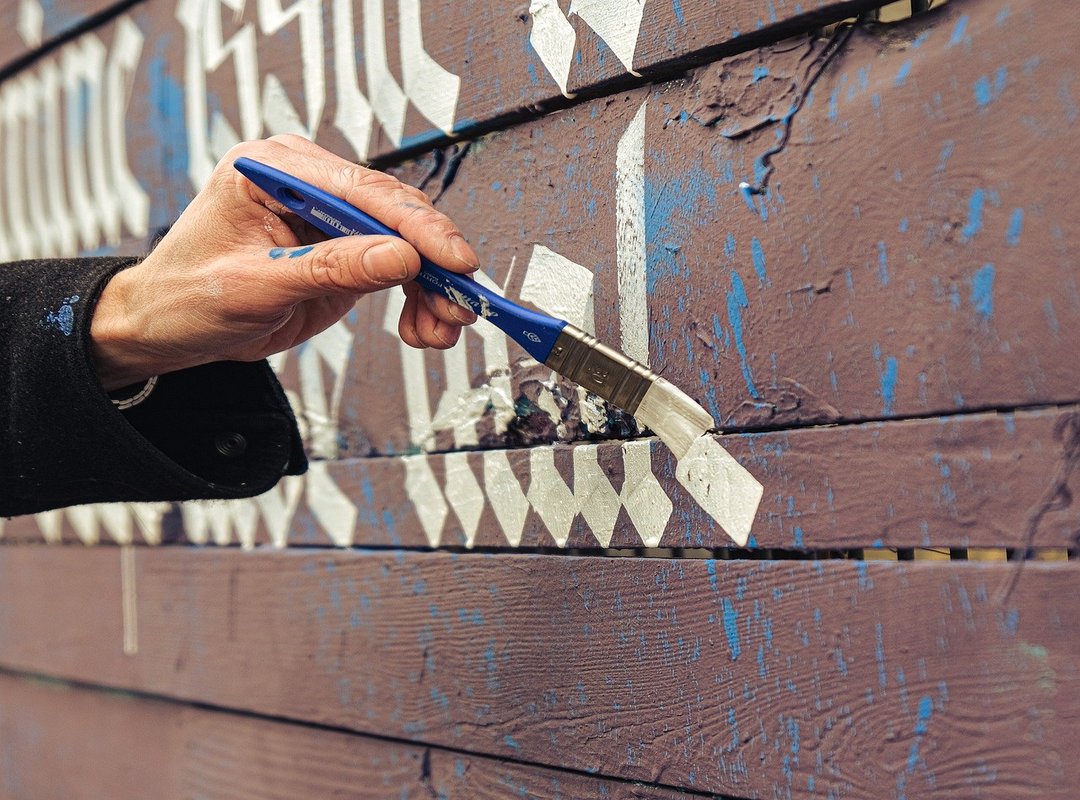
Ever feel like your school projects, especially for TLE, could use a bit more flair? Standard computer fonts just don’t cut it sometimes.
tle calligraphy design is the perfect solution. It’s a timeless and accessible skill that adds a personal, artistic touch to any work.
In this guide, you’ll learn the definition of calligraphy, the essential tools, the fundamental strokes, and simple project ideas to start immediately.
Don’t worry, this isn’t going to be overwhelming. It’s a step-by-step guide designed to make calligraphy feel approachable and fun, not intimidating.
Imagine elevating your TLE work, from technical drawings to culinary presentations, with a few elegant strokes. That’s what tle calligraphy design can do for you.
What Makes Calligraphy Different From Just Neat Handwriting?
TLE Calligraphy Design is the art of creating beautiful, stylized lettering, specifically applied to enhance projects within Technology and Livelihood Education.
Regular handwriting is all about speed and legibility. Calligraphy, on the other hand, is a deliberate, artistic composition.
Consistent letterforms are key in calligraphy. Varying line weights—thick downstrokes and thin upstrokes—add character and depth. Intentional spacing, or kerning, makes each word look balanced and visually appealing.
In TLE, calligraphy can be incredibly useful. For example, in a culinary class, you might design a menu that looks both elegant and appetizing. In an entrepreneurship module, you could create a logo that stands out.
Even in technical drawing, well-labeled diagrams can make a big difference.
There are two main styles a beginner will encounter: traditional calligraphy, which uses dip pens, and modern or ‘faux’ calligraphy, which can be done with everyday pens.
I personally love how TLE Calligraphy Design brings a touch of creativity and professionalism to any project. It’s not just about making things look pretty; it’s about adding value and making your work stand out.
Gathering Your Toolkit: The Essential Supplies for Beginners
Starting out in calligraphy doesn’t have to break the bank. You can get a solid toolkit without spending a fortune. Let’s dive into what you really need.
The Right Paper Makes All the Difference
Smooth practice paper, like HP Premium 32lb, is your best bet. It prevents ink from bleeding and won’t fray your pen tips. Standard copy paper, on the other hand, can be frustrating because it often bleeds and frays.
Beginner-Friendly Pens
For faux calligraphy, a simple fine-liner pen, such as a Micron, is all you need. If you’re leaning towards modern brush calligraphy, a firm-tipped brush pen like a Tombow Fudenosuke is perfect. These pens are affordable and give you great control.
Basic Tools for Straight and Consistent Lettering
A pencil and a ruler are essential for drawing guidelines. They help you achieve straight and consistent lettering. Don’t underestimate these basic tools; they make a huge difference in your tle calligraphy design.
Master the Basics First
Before you start thinking about more advanced equipment like oblique holders, nibs, and inkwells, master the basics with these simple tools. This way, you build a strong foundation and avoid wasting money on gear you might not use yet.
| Tool | Purpose |
|---|---|
| HP Premium 32lb Paper | Prevents ink bleeding and fraying |
| Micron Pen | Ideal for faux calligraphy |
| Tombow Fudenosuke Brush Pen | Great for modern brush calligraphy |
| Pencil and Ruler | For drawing guidelines |
By starting with these essentials, you’ll save money and still get the quality results you want. Happy calligraphy! tle calligraphy design
Mastering the 8 Basic Strokes: The Building Blocks of Every Letter

Learning calligraphy can seem daunting, but it’s simpler than you think. Every letter in the lowercase alphabet is just a combination of a few fundamental strokes. This makes the learning process much less overwhelming.
The 8 Basic Strokes
Let’s break them down:
- Downstroke: Apply even, firm pressure as you pull the pen towards you to create a thick line.
- Upstroke: Lift the pen slightly and move it upwards with light pressure for a thin line.
- Overturn: Start with a downstroke, then curve up and around to the right.
- Underturn: Begin with a downstroke, then curve down and around to the left.
- Compound Curve: A combination of an overturn and underturn, creating a flowing S-shape.
- Oval: Draw a smooth, rounded shape, applying more pressure at the bottom.
- Ascending Loop: Start with an upstroke, loop around, and come back down.
- Descending Loop: Start with a downstroke, loop around, and come back up.
Practicing these individual strokes repeatedly is key. It helps build muscle memory, making it easier to write full letters and words later on.
Take the letter ‘a’ as an example. It’s made from two basic strokes: an oval and an underturn. By mastering these, you’ll find writing ‘a’ becomes second nature.
Pro tip: Search for free printable practice sheets online. They guide your drills and help you perfect each stroke.
By focusing on these core strokes, you’ll see your calligraphy skills improve quickly. It’s all about consistency and patience. Stick with it, and soon you’ll be crafting beautiful tle calligraphy designs.
Easy Project Ideas to Showcase Your New Calligraphy Skills
Starting with small, simple projects is the best way to build your confidence in calligraphy. Trust me, it’s all about getting those letters right and feeling good about what you create.
Project Idea 1: A Portfolio Title Page. Design an elegant, hand-lettered title page for a TLE project collection or report. This is a great way to make your work stand out and show off your new skills.
It’s like giving your portfolio a personal touch that makes it memorable.
Project Idea 2: Culinary Labels. Create beautiful, professional-looking labels for a food preservation project, such as jars of jam, or for packaging baked goods. These labels add a special touch and make your homemade treats look even more appealing.
Imagine how impressed your friends and family will be when they see these labels.
Project Idea 3: A Workshop Safety Poster. Combine clear, block lettering with a tle calligraphy design to create a visually appealing and informative poster. This project not only looks great but also serves a practical purpose, making your workspace safer and more organized.
It’s a win-win: you get to practice your calligraphy, and everyone benefits from the safety reminders.
Before diving into these projects, start with something even simpler, like gift tags or place cards. These small projects help you practice spacing and consistency on a manageable scale.
Pro tip: Consistency is key in calligraphy, so take your time and enjoy the process.
Elevate Your Next Project with the Art of Lettering
You’ve journeyed from understanding the ‘why’ behind calligraphy to learning the ‘how’ of basic strokes and project application. Calligraphy is a practical and rewarding skill that can significantly improve the presentation and visual appeal of any tle calligraphy design.
Consistency and practice are far more important than innate artistic talent for developing this skill. Pick one simple project from this list, grab a pen, and start practicing your basic strokes today. You’ll be surprised at how quickly you can create something beautiful.
 Stephanie Martinezenic writes the kind of optimization tips for gamers content that people actually send to each other. Not because it's flashy or controversial, but because it's the sort of thing where you read it and immediately think of three people who need to see it. Stephanie has a talent for identifying the questions that a lot of people have but haven't quite figured out how to articulate yet — and then answering them properly.
They covers a lot of ground: Optimization Tips for Gamers, Pbox Competitive Gaming Rigs, Performance Boosting Builds, and plenty of adjacent territory that doesn't always get treated with the same seriousness. The consistency across all of it is a certain kind of respect for the reader. Stephanie doesn't assume people are stupid, and they doesn't assume they know everything either. They writes for someone who is genuinely trying to figure something out — because that's usually who's actually reading. That assumption shapes everything from how they structures an explanation to how much background they includes before getting to the point.
Beyond the practical stuff, there's something in Stephanie's writing that reflects a real investment in the subject — not performed enthusiasm, but the kind of sustained interest that produces insight over time. They has been paying attention to optimization tips for gamers long enough that they notices things a more casual observer would miss. That depth shows up in the work in ways that are hard to fake.
Stephanie Martinezenic writes the kind of optimization tips for gamers content that people actually send to each other. Not because it's flashy or controversial, but because it's the sort of thing where you read it and immediately think of three people who need to see it. Stephanie has a talent for identifying the questions that a lot of people have but haven't quite figured out how to articulate yet — and then answering them properly.
They covers a lot of ground: Optimization Tips for Gamers, Pbox Competitive Gaming Rigs, Performance Boosting Builds, and plenty of adjacent territory that doesn't always get treated with the same seriousness. The consistency across all of it is a certain kind of respect for the reader. Stephanie doesn't assume people are stupid, and they doesn't assume they know everything either. They writes for someone who is genuinely trying to figure something out — because that's usually who's actually reading. That assumption shapes everything from how they structures an explanation to how much background they includes before getting to the point.
Beyond the practical stuff, there's something in Stephanie's writing that reflects a real investment in the subject — not performed enthusiasm, but the kind of sustained interest that produces insight over time. They has been paying attention to optimization tips for gamers long enough that they notices things a more casual observer would miss. That depth shows up in the work in ways that are hard to fake.